
District‑Led, Statewide Access for Grades 6–12
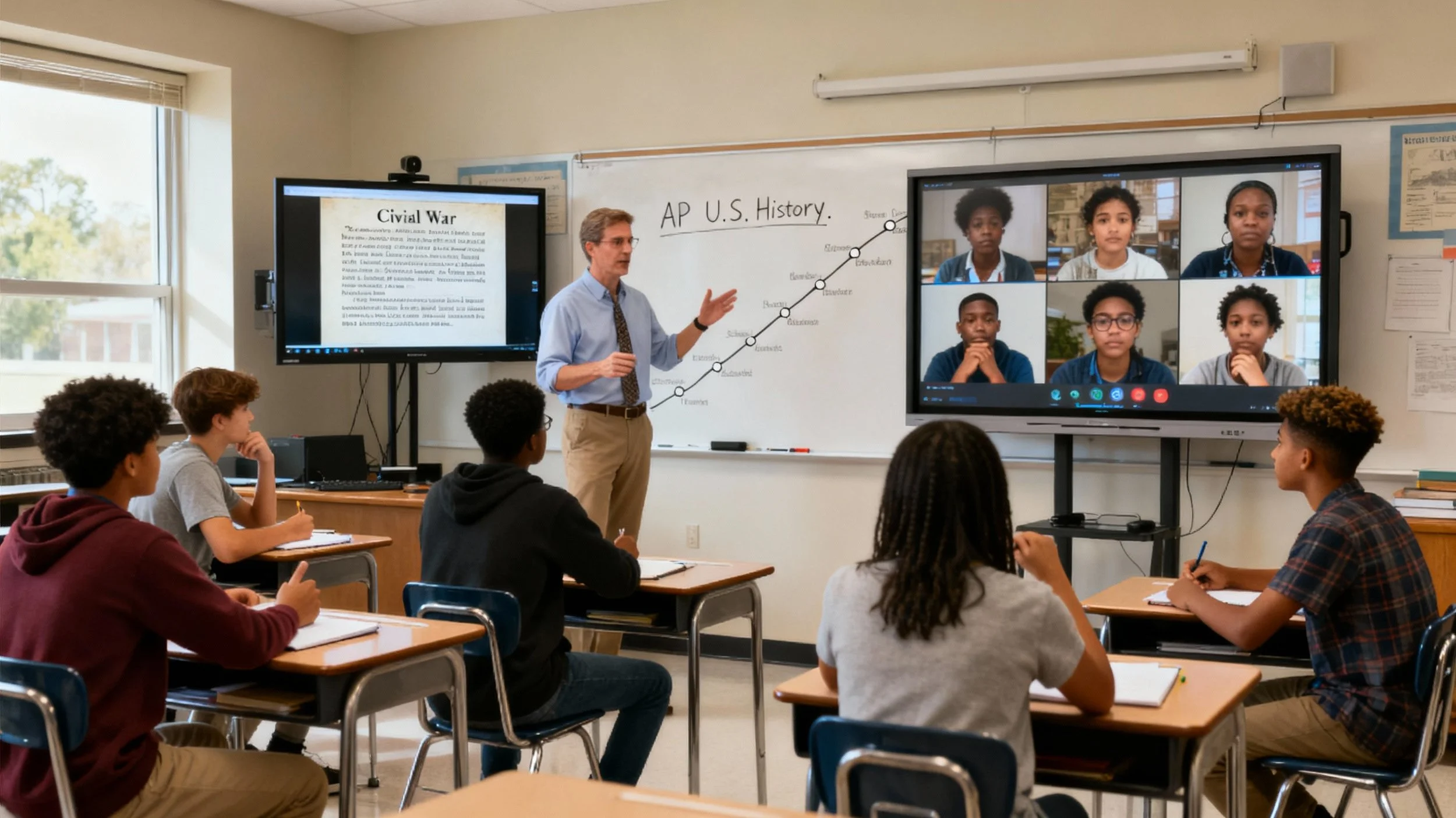
What is District‑Led Statewide Access?
A hybrid course sharing model for grades 6–12 where your teachers keep teaching in‑district while additional students from other districts join online.
It expands course access without new hires, preserves your instructional quality, and generates outside‑district revenue with minimal admin lift.
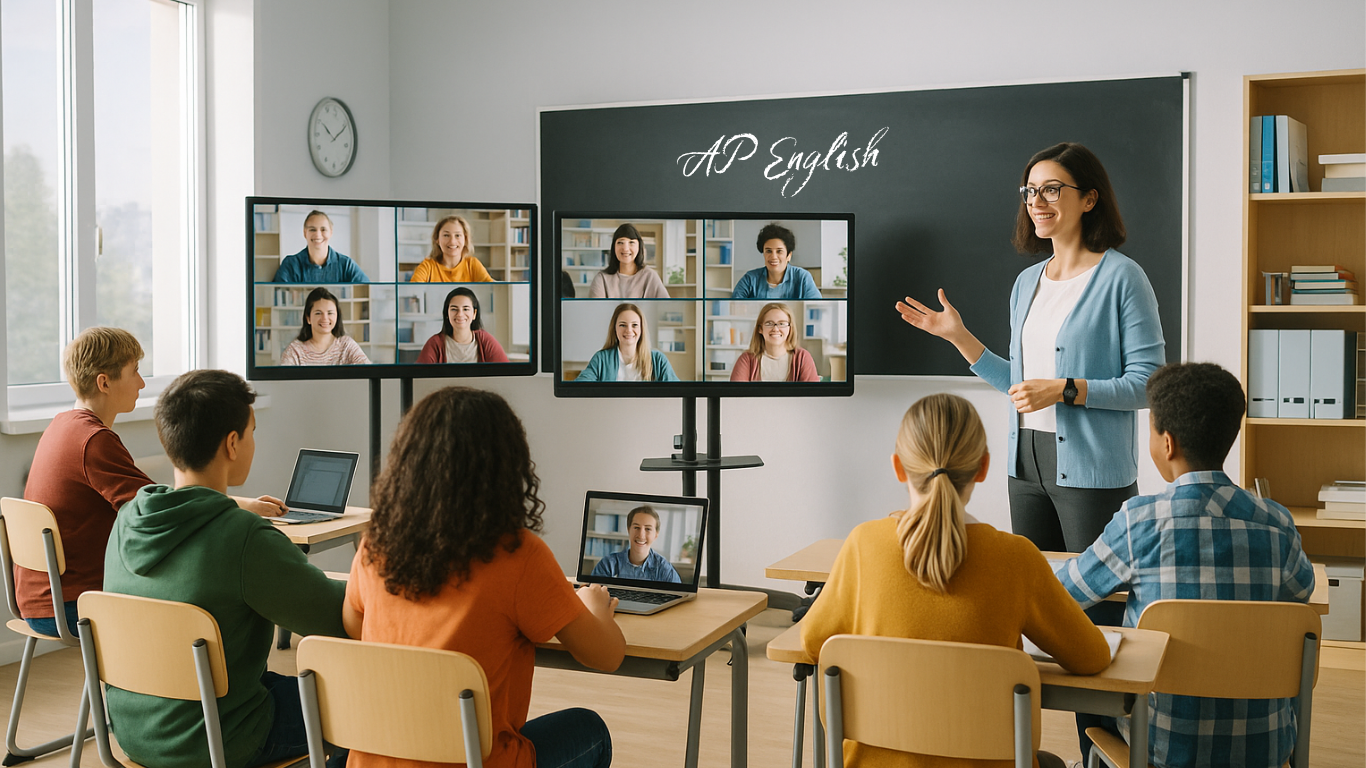
Explore Course Sharing with Statewide Access
Grades 6–12 Course Sharing
Your classes, your educators, statewide reach—keep instruction in‑house while opening empty seats via hybrid enrollment.
Serve AP, STEM, languages, and niche electives to small or rural districts that can’t staff them, with seamless compliance and minimal operational change.
Flexible economics: per‑seat or per‑course payments from partner districts, with zero additional teaching resources for secondary programs.
Proven momentum: pilot projections show significant net revenue potential alongside higher student and teacher satisfaction.
Quick FAQs About Statewide Course Sharing
What is it?
A district‑run statewide course‑sharing model where your grades 6–12 teachers teach enrolled in‑district students and welcome additional out‑of‑district learners online.
Who is it for?
Superintendents and leadership teams seeking equitable access in small, rural, suburban, and metro districts without adding staff.
How does it work?
Three steps: your teachers teach, outside students enroll hybrid, your district hosts and earns through per‑seat or per‑course arrangements.
Why now?
It expands choice, unlocks revenue, and preserves instructional quality by elevating your own educators.

Why the Economics Work
Outside districts that can’t fill a teacher slot you can fill might send 20 students and a $10,000–$25,000 payment to your district.
Districts with only 2–3 ambitious students for a class they don’t offer can pay $500–$1,250 per student, keeping access simple and sustainable.
For secondary programs, this model requires zero additional teaching resources and minimal administrative time, so your team can scale without strain.
This works for small districts—the Internet is the equalizer, and done right, it’s an amplifier. Large districts can offer nearly every course, and metropolitan districts can easily staff hybrid‑outbound sections when needed.

High revenue is readily attainable using the assets you already have: excellent teachers. When their great teaching is delivered more widely online, grades 6–12 gain more choices, your district brings in outside dollars from other districts, and outside parents can compensate privately.
A conservative Year One projection is $9,000,000 net, funding the 250 highest‑earning teachers. Year Two should be nearly double; with a small sales team dedicated to your district, the net can reach $15,000,000–$20,000,000.
— Disclaimer: Projections are illustrative and depend on enrollment, course mix, state rules, and pacing. Ask for a state‑specific model.
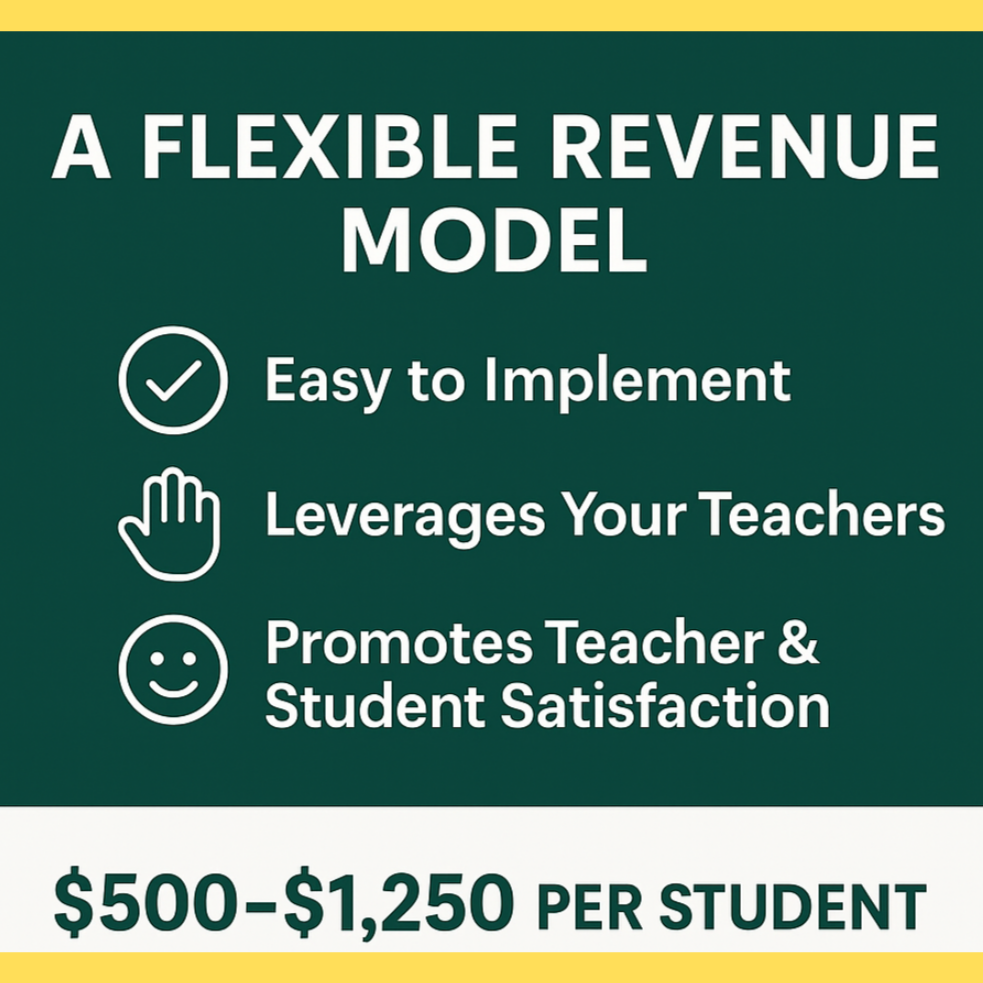
A Revenue Model That Works
Choose a flexible, district‑first revenue model: use per‑student fees when a school sends 2–3 learners or per‑course bulk payments when they sends a full cohort—both flow to your district as the host to fund instruction your teachers already provide.
Typical revenue ranges include a 20‑student cohort paying $10,000–$25,000 to your district, or $500-$1,250 per student for small enrollments, giving you predictable funding choices without complexity.
Operational lift is light—no additional teaching staff for secondary programs and minimal administrative time—so you can expand AP, STEM, world languages, and niche electives statewide while generating outside‑district revenue from existing courses.
Next step: schedule a 15‑minute planning session to review a state‑specific projection and lock in your first sections to launch.


Relationship Explainer — District-Led Statewide Access
Ivy Bound’s district-led statewide access model defines how schools expand advanced and hard-to-staff offerings without new hires or added administrative burden. Aspire Academy serves as the instructional delivery partner within this model, supporting educators with teaching, tutoring, and course execution for grades 6–12. Partnerships extend the ecosystem by collaborating with schools, organizations, and institutions to scale access and support innovative, district-driven programs—allowing districts to lead, educators to teach, and students to access more opportunities.